
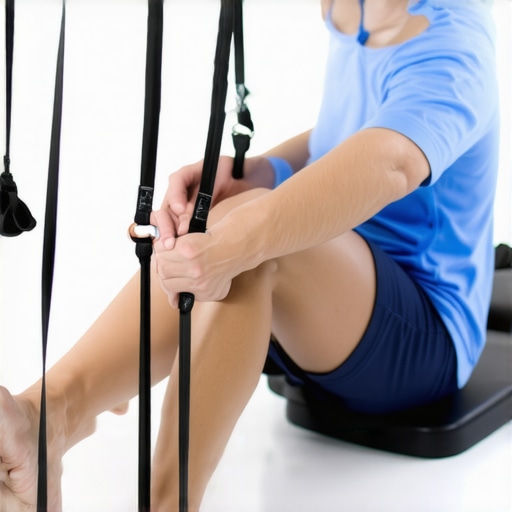
Have you ever felt overwhelmed walking into an orthopedic clinic, unsure of what to expect from your physical therapy sessions? I remember my first visit after a knee injury; I was lost, hoping for quick pain relief but unsure what was actually involved. It hit me that understanding what’s included in orthopedic physical therapy could make all the difference in making my recovery smoother and more effective. That lightbulb moment got me digging deeper, and I want to share what I learned so you can approach your treatment with confidence.
Why Knowing What’s Included Matters
Most people think physical therapy is just about exercises—maybe some stretches, maybe a few massages. But in reality, it’s a comprehensive approach that combines different techniques tailored to your specific injury. When I started understanding the components, I realized how much extra value I was missing out on. Knowing what to expect means you can actively participate in your recovery instead of passively waiting for pain to subside. Plus, being informed helps you ask better questions, ensuring you’re getting the right care. Today, I’ll break down the main elements you’re likely to encounter in an orthopedic physical therapy program, so you’re not left in the dark anymore.
The Big Components of Orthopedic Physical Therapy
Personalized Evaluation and Goal Setting
Every journey begins with an assessment. Your therapist will evaluate your range of motion, strength, pain levels, and functional limitations. This step is crucial—think of it as creating a custom map for your recovery. Without a thorough assessment, you risk missing key issues or setting ineffective goals. I once skipped this step early on, and it delayed my progress. Trust me, a detailed initial evaluation pays off in the long run.
Targeted Therapeutic Exercises
These are the backbone of physical therapy. Your therapist will prescribe specific exercises designed to strengthen weak muscles, improve flexibility, and restore mobility. It’s tempting to think these are just generic stretches, but effective rehab involves tailored routines that match your injury. I’ve personally found that sticking to these exercises made a huge difference—sometimes even more than the hands-on stuff.
Manual Therapy and Hands-On Techniques
Physicians often use massage, joint mobilizations, or soft tissue techniques to reduce pain and improve tissue flexibility. This direct contact can accelerate healing, especially when combined with exercises. Early in my rehab, I underestimated the power of manual therapy, but it really helped loosen stiff joints and eased discomfort.
Education and Self-Management Strategies
Knowledge is power. Your therapist will teach you about your condition, proper posture, ergonomics, and ways to avoid future injuries. This component empowers you to take control of your recovery outside the clinic, which is vital for long-term health. I learned that understanding how to move correctly prevented re-injury and kept me motivated.
Advanced Modalities and Techniques
Sometimes, your treatment may include ultrasound, electrical stimulation, or cold laser therapy to reduce inflammation and promote healing. These are not always necessary but can be highly effective when tailored to your needs. I’ve had good experiences with these modalities speeding up my recovery timeline.
Is This All Worth It? Or Just Overhyped?
Early on, I made the mistake of thinking that physical therapy was only about exercises, and I underestimated the importance of manual therapy and education. That misconception cost me precious time. Today, I know that a comprehensive approach combining all these elements is what truly makes a difference. If you’re wondering whether physical therapy is worth it or just a fancy term, I encourage you to explore reputable options—like those detailed by spine specialists [here](https://njorthopedicdoctor.xyz/top-orthopedic-spine-specialists-to-trust-in-2025)—and see how tailored care accelerates recovery. Your journey is unique, and understanding what’s included can help you get the most out of every session. If you’ve faced injury and are considering physical therapy, don’t hesitate to ask your provider about these components. It’s the first step toward a faster, more complete recovery.
Prepare for Your Evaluation Like a Pro
Start by organizing your medical history, noting down specific pain points, limitations, and previous treatments. When I had my knee injury, I brought a detailed symptom diary to my first session, which helped my therapist tailor the evaluation. Expect a physical assessment where your therapist checks your range of motion, strength, and pain response. Think of this as creating a blueprint—a clear map to guide your recovery. Being thorough here ensures you don’t miss critical issues that could delay progress.
Engage Fully in Targeted Exercises
Follow your prescribed routines meticulously. These exercises are tailored for your injury, not generic stretches. For example, I struggled initially with an ankle rehab routine, but by focusing on proper form and consistency, I noticed significant improvements within weeks. Use a mirror or record yourself to ensure proper technique. Consistent practice builds strength and flexibility, directly impacting your recovery timeline. Remember, these exercises are your primary tools—treat them as such.
Leverage Manual Therapy for Faster Relief
Manual therapy involves massage, joint mobilizations, or soft tissue techniques performed by your therapist. I once had stiff neck muscles, and manual therapy sessions helped loosen tight tissues much faster than exercises alone. During treatment, communicate openly about what feels good or painful. Think of manual therapy as a tune-up—releasing restrictions so your body can respond better to exercises. This hands-on approach can accelerate healing and reduce discomfort.
Absorb Education and Practice Self-Management
Ask your therapist to explain your condition and preferred movement patterns. I learned proper posture techniques that I applied daily, which prevented re-injury. Take notes or record instructions for later reference. Incorporate ergonomic adjustments at work or home to support your recovery. This empowers you to take control outside the clinic, making every movement count. Self-management strategies turn your therapy into lifelong habits that protect your health.
Utilize Advanced Modalities When Needed
Technologies like ultrasound, electrical stimulation, or cold laser therapy can target inflammation and pain. I experienced faster relief after sessions with electrical stimulation, especially when pain was intense. Discuss with your provider whether these modalities are appropriate for your condition. They are complementary tools—think of them as boosters that enhance your body’s healing response. Proper use can shave days or weeks off your recovery timeline.
Many individuals assume that physical therapy is a straightforward process focused solely on exercises. However, this misconception can lead to missed opportunities for a more effective recovery. Let’s dig deeper into some nuanced aspects that often go unnoticed, which can significantly impact your treatment outcomes.
Myth of One-Size-Fits-All Therapy
One common mistake is believing that all physical therapy routines are generic. In reality, the most successful programs are *highly personalized*, tailored to your specific injury, body mechanics, and lifestyle. Therapists perform detailed evaluations to identify unique biomechanical issues that influence recovery. Overlooking this can result in suboptimal results or re-injury. For example, understanding the subtle differences in muscle imbalances can be crucial for conditions like herniated discs, where a tailored approach might include specific non-surgical care options, as discussed in this article.
The Oops of Ignoring Manual Therapy
Many patients underestimate manual therapy’s role, thinking exercises alone suffice. But hands-on techniques like joint mobilizations and soft tissue manipulation can accelerate healing, reduce pain, and improve mobility more effectively than exercises alone. A common trap is delaying or skipping this component, which can extend recovery time. Manual therapy is especially beneficial for soft tissue restrictions and joint stiffness—issues that are often overlooked without a keen eye. If manual therapy interests you, exploring minimally invasive back pain treatments might offer additional options for faster relief, as explained here.
Advanced Strategies for the Savvy Patient
For those who want to optimize their recovery, understanding the importance of *education and self-management* is essential. It’s not just about what happens in the clinic but how you implement strategies outside of it—such as ergonomic adjustments and movement habits. This proactive approach can prevent future injuries and re-injury, making therapy a long-term investment. Additionally, some patients overlook the potential of advanced modalities like ultrasound or electrical stimulation, which can provide significant benefits when used appropriately. Knowing when and how to incorporate these techniques can shave days or weeks off your healing process.
In summary, the real nuance lies in personalized, multimodal treatment that integrates manual therapy, patient education, and advanced modalities. Avoid the trap of thinking physical therapy is just exercises—embrace the full spectrum of care for better, faster results. Have you ever fallen into this trap? Let me know in the comments and share your experiences. For more tailored advice, consider consulting with a top spine specialist or exploring expert tips here.
Keeping your body in optimal condition after orthopedic treatment requires more than just following initial therapy routines. It’s about leveraging the right tools, consistent maintenance, and smart strategies to ensure lasting results and prevent future injuries. In this article, I’ll share the specific equipment, apps, and methods I personally use to maintain my recovery and enhance my overall spine health, along with insights into where this field is heading in the future.
Invest in Quality Support Devices for Daily Use
One of the most effective ways I keep my spine supported is by using high-quality ergonomic braces and lumbar supports. I prefer adjustable lumbar cushions that I can incorporate into my office chair or car seat, as they provide ongoing spinal alignment and reduce strain during long hours of sitting. The key is choosing a device that offers firm yet comfortable support, tailored to your specific needs, which you can find detailed in this resource. Consistent use helps prevent re-injury and maintains muscle balance over time.
Utilize Technology for Mobility and Posture Tracking
Apps like Upright or Lumo Lift have become indispensable for me. They provide real-time feedback on my posture and remind me to correct slouching or awkward positions throughout the day. These tools use sensors and AI algorithms to analyze your movements, offering actionable insights. I’ve found that integrating these apps into my daily routine drastically reduces episodes of discomfort and reinforces good habits. As wearable tech advances, I predict future devices will offer even more personalized feedback, integrating seamlessly with health records for comprehensive management.
Implement Targeted Stretching and Strengthening Routines
Maintaining flexibility and strength is crucial. I personally follow a tailored routine based on the advice from my physical therapist, focusing on core stability, hip mobility, and gentle stretches. Using resistance bands and foam rollers, I can perform these exercises at home effectively. These tools are affordable, portable, and versatile, making regular maintenance easier. Remember, consistency is key—just a few minutes daily can preserve the gains from your initial recovery program and prevent setbacks.
Schedule Regular Professional Check-Ins
Even after completing therapy, I schedule periodic visits with my orthopedic specialist. These check-ins help catch early signs of re-injury or deterioration, ensuring swift intervention if needed. For ongoing support, I also consult with physical therapists who can provide advanced techniques or modifications tailored to my lifestyle. This proactive approach is essential as it maintains the health gains achieved in therapy and adapts to any new challenges that arise.
Where Is This Going? The Future of Long-Term Orthopedic Care
Emerging trends suggest that personalized, AI-driven rehab tools, combined with telemedicine, will become standard for maintaining orthopedic health. Wearable sensors will become more sophisticated, providing continuous monitoring and early warning signals for potential issues. Virtual reality rehab programs might also offer immersive exercises that adapt to your progress in real-time. These innovations will make long-term maintenance more accessible, effective, and tailored to individual needs.
How do I maintain my recovery over time?
The best way to sustain your recovery is to adopt a holistic approach: use ergonomic tools, leverage technology for daily feedback, stick to personalized exercise routines, and stay connected with your healthcare providers. Remember, consistency and proactive management are your best allies in preventing setbacks and ensuring lasting health. If you’re interested in exploring non-surgical options further, effective strategies are discussed here.
Don’t forget—investing in the right tools and habits today sets the stage for a healthier, stronger tomorrow. Try integrating one of these advanced tools into your routine and experience the difference it can make in your ongoing recovery journey.
The Hardest Lesson I Learned About Orthopedic Physical Therapy
One of my biggest realizations was that not all sessions are created equal. Early in my recovery, I thought focusing solely on exercises would suffice, but I soon discovered manual therapy and education were game-changers. They sped up my progress and reduced discomfort more than I expected. This taught me that a well-rounded approach is essential for lasting results.
3 Myths About Orthopedic Therapy That Held Me Back
I used to believe that therapy was just about stretching and that manual techniques were optional. Breaking free from those myths opened my eyes to how personalized and multifaceted physical therapy truly is. It’s about tailored exercises, hands-on techniques, and patient empowerment—each playing a vital role in recovery.
What Experts Won’t Tell You About Your Treatment Plan
Many professionals keep the full scope of therapy components under wraps, but understanding the importance of education and advanced modalities can significantly enhance your outcome. Asking your therapist about these elements ensures you’re leveraging every tool available, making your recovery faster and more effective.
My Essential Toolkit for Maintaining Spine Health After Therapy
Personally, I rely on high-quality ergonomic supports, like lumbar cushions, which you can explore more about in this guide. I also use wearable posture trackers such as Upright, which give real-time feedback, helping me stay aligned during daily activities. Resistance bands and foam rollers are my go-to for regular maintenance, making it easy to keep my spine healthy long after formal therapy ends. Scheduling periodic check-ins with my specialist has become a cornerstone of my ongoing care, ensuring I catch any issues early. Looking ahead, I’m excited about AI-powered rehab tools and virtual reality programs that promise even more personalized and engaging recovery options, as discussed in this article.
Your Turn to Take Action
Understanding the full scope of orthopedic physical therapy can transform your recovery journey. By embracing personalized care, manual techniques, and proactive maintenance strategies, you’re setting yourself up for lasting health and mobility. Don’t wait—start exploring these options today and take control of your healing process.