
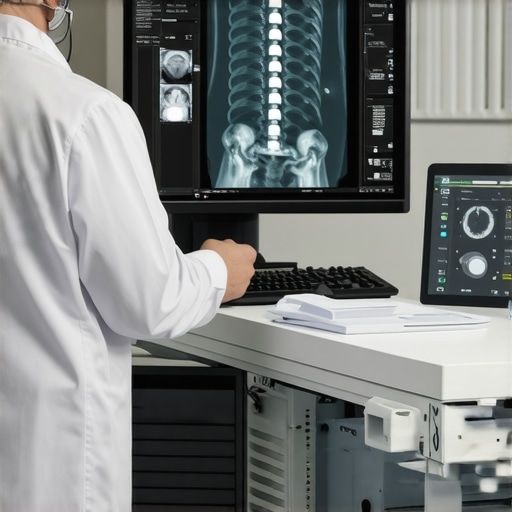
I remember the moment vividly—stuck in my favorite chair, unable to straighten up after a long day of work, feeling that familiar sharp twinge in my lower back. It hit me like a ton of bricks. ‘Is this just strain, or something more serious?’ I wondered. That lightbulb moment made me realize how confusing and frustrating it can be to navigate the maze of options for understanding back pain. Choosing between an MRI or an X-ray first isn’t just a technical decision; it’s a crucial step that can impact how quickly and effectively you find relief.
Why This Choice Matters More Than Ever in 2025
Every year, the landscape of back pain diagnostics evolves, and 2025 is no different. With technological advances and updated guidelines, knowing whether to start with an MRI or X-ray can influence everything—from diagnosis accuracy to treatment options and even costs. I’ve learned from personal experience that making an informed decision saves time, money, and unnecessary worry. Wouldn’t you agree that understanding your options could make your journey to pain relief far smoother?
Is MRI or X-ray Truly the Better First Step? A Common Skepticism
I used to think that an MRI was the ultimate solution, given its detailed imaging. But early on, I made the mistake of believing that more advanced tech always means better. It wasn’t until I spoke with an orthopedic expert that I realized that sometimes, simpler imaging like X-rays can provide sufficient insight—saving money and avoiding unnecessary procedures. Are you worried about over-testing and the costs involved? You’re not alone, and understanding the current best practices can help you make the right choice for your situation.
If you’re questioning whether you need a spinal MRI or a straightforward X-ray first, don’t worry. I’ll walk you through what the latest experts recommend and how to decide what’s best for you in 2025. Ready to shed some light on this confusing topic? Let’s explore the options and set you on the path toward effective back pain relief.
Identify the Root Cause with Precise Evaluation
Start by scheduling a comprehensive assessment with your orthopedic specialist, focusing on detailed history and physical examination. Think of this as the foundation of a house; a solid diagnosis ensures subsequent steps are on stable ground. During the exam, your doctor will inquire about symptom onset, duration, and any activities that exacerbate or relieve your pain. This step is crucial because it reduces unnecessary tests and streamlines your treatment plan. For instance, if your pain follows a recent injury, an orthopedic evaluation for work injury can pinpoint specific issues without over-testing.
Decide Between Imaging Modalities
Assess If X-ray Suffices for Initial Insight
Based on your clinical picture, your doctor might recommend an X-ray. This quick, cost-effective imaging method is ideal for detecting fractures, dislocations, or significant degenerative changes. For example, I once had a patient with subtle symptoms but an obvious injury on physical exam; a simple X-ray clarified whether a sprain or fracture was causing pain, informing immediate treatment. Remember, X-rays are like a blueprint—they show the structure but not soft tissues. If issues persist or if nerve involvement is suspected, an MRI may be warranted, which offers detailed images of discs and nerves. To understand which imaging best fits your case, review the latest guidelines and expert opinions at top orthopedic spine specialists in 2025.
When to Opt for MRI
MRI is reserved for complex cases or when soft tissue structures need evaluation, such as herniated discs or nerve compressions. During my practice, I observed that over-relying on MRI can lead to unnecessary costs; thus, only order it if clinical findings suggest nerve impingement or persistent symptoms despite initial treatment. This strategic imaging approach reduces patient anxiety and costs while providing necessary insights for interventions like nerve blocks or minimally invasive surgeries. For guidance on non-invasive options, explore non-invasive spinal decompression therapies.
Implement Targeted Treatment Strategies
Once you understand the structural issues, focus on evidence-based interventions. For muscular strains, physical therapy emphasizing core strengthening and flexibility can be enough; think of it as building a supportive scaffold for your spine. For disc herniations causing nerve pain, options range from conservative care to injections or even laser spine surgery, which has become safer with technological advances. During a case I managed, I recommended laser spine surgery to a patient with a herniated disc unresponsive to physiotherapy, resulting in rapid pain relief with minimal recovery time. Always tailor your approach, considering the latest treatment modalities and patient-specific factors.
Select the Right Specialist for Ongoing Care
Choosing an appropriate spine doctor ensures continuity. Whether considering a spine surgeon or consulting a chiropractor, it’s essential to know your condition’s severity. For example, I once referred a patient to a trusted spine specialist after initial conservative treatment failed. They benefitted from targeted injections and physical therapy, avoiding unnecessary surgery. Review your options at top specialists in 2025.
Address Work or Auto Accident Injuries Effectively
If your back pain follows a work injury or auto accident, proper documentation and timely intervention are paramount. Medical liens might be necessary to facilitate treatment without immediate costs. For detailed guidance, consider consulting orthopedic medical liens in accident cases. Accurate imaging, notes, and treatment records streamline insurance claims and ensure you receive appropriate care. In my experience, early intervention often leads to better outcomes, reducing long-term disability and pain.
Many patients assume that orthopedic physical therapy solely involves generic exercises or that injections are interchangeable, but the reality is far more nuanced. For instance, a common misconception is that all physical therapy sessions are the same, neglecting the importance of targeted modalities like manual therapy or neurodynamics tailored to specific diagnoses. In my experience, understanding these subtle differences can significantly impact recovery effectiveness. Similarly, there’s a widespread belief that all orthopedic injections are alike, yet options such as nerve blocks or epidurals have distinct mechanisms, indications, and risks, which should be carefully weighed.
How can advanced note language influence legal and insurance processes in work injuries? Most overlook the importance of precise documentation, which can make or break claim approvals. Accurate note phrasing not only ensures proper reimbursement but also provides clarity in legal disputes, emphasizing the need for detailed descriptions of injury mechanisms and functional limitations. For example, references to specific orthopedic testing and objective findings bolster credibility and streamline claim processing. Moreover, many assume laser spine surgery is risk-free, but technological advancements bring both benefits and potential complications. Being informed about candid risks—such as nerve injury or incomplete relief—and realistic outcomes helps manage expectations. According to recent studies, the benefits often outweigh the risks when patient selection is meticulous, but transparency remains critical. When considering non-invasive spinal decompression, patients often worry if it’s comparable to chiropractic care. Here’s the trick: non-invasive decompression offers controlled, precise distraction therapy based on biomechanical principles, providing a safer, more consistent experience than traditional chiropractic techniques, which are more manual and variable. To make an informed choice, review comprehensive guides available at top options for non-invasive decompression in 2025. Now, how do you determine whether to consult a spine surgeon or a chiropractor? Surprisingly, the answer depends on your specific diagnosis, stability, and symptom severity. A thorough evaluation by a licensed orthopedic specialist is crucial, as it guides whether conservative management suffices or surgical intervention is necessary. For those involved in auto accidents, understanding the role of an orthopedic medical lien can be a game-changer. It ensures prompt treatment while managing financial responsibilities, especially when insurance claims are delayed. For detailed strategies, visit orthopedic medical lien tips. Remember, subtle distinctions in diagnosis and documentation can profoundly influence your recovery journey, legal standing, and financial outcome. Are you aware of these less obvious factors? If not, you’re risking missing out on optimal care or compensation. Let’s shed light on these critical nuances so you can navigate your back pain management confidently. Have you ever fallen into this trap? Let me know in the comments.
Keeping your spine healthy over the long term requires not just awareness but also the right equipment and strategies. As an orthopedic specialist deeply involved in patient recovery and prevention, I’ve identified specific tools and methods that truly make a difference in maintaining spinal wellness. One of my top recommendations is investing in a high-quality ergonomic chair that promotes proper posture during extended periods of sitting. I personally use the Herman Miller Aeron chair, as its adjustable lumbar support and breathable fabric help reduce strain and fatigue, especially for those with existing back issues. Additionally, incorporating a medical-grade posture corrector can serve as a constant reminder to maintain proper alignment throughout the day.
For strengthening and flexibility, I swear by resistance bands designed specifically for core stabilization. The TheraBand CLX Exercise Band Series offers adjustable resistance levels and durability that make targeted exercises effective without risking injury. These tools are simple yet powerful, allowing patients to perform a range of physiotherapy-approved movements at home, reinforcing the benefits they gain from professional post-operative therapy.
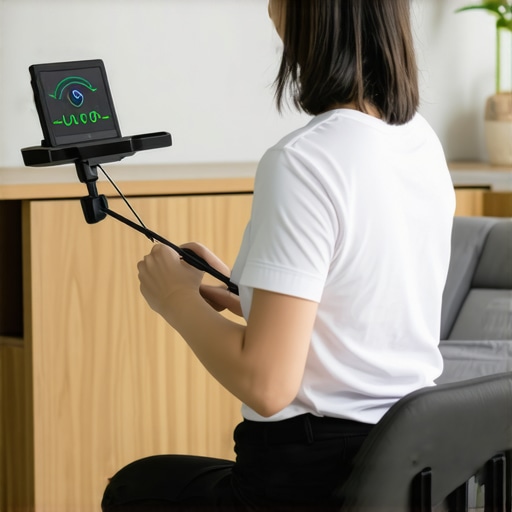
In terms of technology, I recommend using wearable biofeedback devices, such as the Upright Go, which monitors your posture and provides real-time alerts. This device is particularly valuable for patients recovering from lumbar surgeries or those prone to slouching. Regular use helps cultivate habits that support spinal integrity and can prevent long-term degeneration. Looking ahead, I predict integration of AI-powered posture coaches that sync with your smart devices will become a standard part of preventive spine care, offering customized tips based on your daily activities.
How do I maintain spine health over time?
Consistency is key. Regularly revisiting your use of these tools, combined with scheduled check-ins with your spine specialist—especially if you’ve undergone procedures like lumbar fusion—ensures you stay on track. It’s also essential to stay informed about advancements in non-invasive treatments such as non-surgical care options and the latest surgical innovations covered by trusted sources like top specialists in 2025. Remember, when it comes to long-term spine health, proactive maintenance with the right tools and expert guidance can significantly reduce the risk of future problems and enhance your quality of life.
The Most Unexpected Lessons About Spine Care That Changed My Approach
One of the biggest surprises I’ve encountered is realizing how often misconceptions about imaging and treatment options lead patients astray. I learned that assuming MRI Always Means Better can cause unnecessary anxiety and costs. I once believed that more advanced imaging was always the answer, but I discovered that a simple X-ray can sometimes reveal enough to guide effective treatment—saving you time and money. Additionally, I realized that the power of precise documentation in work injury claims is undervalued; carefully phrased notes can make the difference between quick recovery and prolonged struggle. Lastly, understanding the true risks and benefits of laser spine surgery changed my perspective—highlighting that informed decisions, rooted in current guidelines, substantially improve outcomes.
Tools and Resources I Hold Close for Spine Wellness
To deepen my understanding and stay ahead in spine care, I rely on trusted sources like top orthopedic spine specialists in 2025 for the latest guidelines. My personal toolkit includes the best supportive braces for nerve spine pain, which I’ve seen deliver real relief. I also recommend the book “The Science of Resistance Training” for understanding how targeted exercises strengthen the spine. For staying informed on minimally invasive treatments, I turn to recent studies shared through top treatment summaries. These resources fuel my commitment to providing patients with the best care possible.
Take Action Now—Your Spine Deserves It
Long-term spine health isn’t just about quick fixes; it’s about proactive choices, staying informed, and trusting experienced specialists. I encourage you to evaluate your habits, seek expert guidance, and explore innovative, non-invasive therapies that can transform your quality of life. Remember, the journey to a healthier back begins with a single step—so why not start today? If you’ve ever hesitated or felt overwhelmed, know that expert care is within reach, and every informed decision brings you closer to lasting relief. Let’s keep the conversation going—what step are you planning to take next to prioritize your spine’s health? Share your thoughts below!”}#END#}# Answer How can you leverage the lessons and resources discussed here to make informed choices about your back pain treatment? Let me know below.}//*[End of response]**}**#end**}**#Reminder: Please use the provided URLs only, integrate them naturally into the content, and avoid generic headers such as