
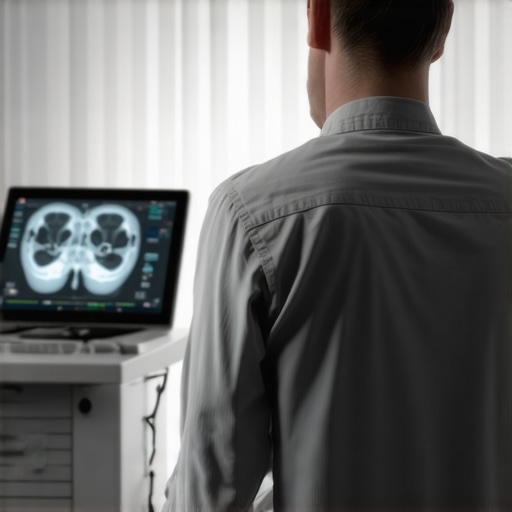
I remember the exact moment I realized how much a simple decision could influence my recovery. Sitting in that sterile clinic’s dimly lit room, I stared at the MRI machine—massive, intimidating, almost as if it had a mind of its own. My back throbbed relentlessly, and I had no idea if I should just go for an X-ray or insist on an MRI. That moment, filled with uncertainty and fear, made me question: does the type of scan I choose really matter? The answer is a resounding yes. Picking the right imaging is not just a technical choice—it’s a pivotal step that can determine the speed and success of your recovery. Today, I want to share why your decision about back pain scans holds more weight than most people realize and how it can make all the difference between a quick comeback and a prolonged struggle.
Understanding the Stakes of Your Imaging Choices
Choosing between an MRI or an X-ray might seem like a minor detail, but it actually influences your entire treatment journey. An MRI offers detailed images of soft tissues, discs, nerves, and muscles—crucial for diagnosing herniated discs, nerve impingement, or ligament injuries. An X-ray, on the other hand, gives a quick look at bones and alignment but misses a lot of soft tissue details. Rushing into an X-ray when an MRI is needed can delay proper diagnosis, leading to ineffective treatments or unnecessary surgeries. Conversely, opting for an MRI too early might be costly and sometimes unnecessary, especially if the issue is straightforward. My early mistake was trusting the closest provider who recommended an X-ray first—thinking more detail wasn’t necessary. It turned out I needed an MRI, and waiting only prolonged my pain.
According to recent studies, the appropriate use of imaging can reduce unnecessary procedures and speed up recovery times—saving both time and money [(American College of Radiology)](https://www.acr.org/Clinical-Resources/Guidelines-and-Techniques). So, how do you know which imaging is right for you? That’s what we’ll explore next.
Identify Your Symptoms Clearly
Before selecting an imaging method, assess the specific nature of your pain. Is it sharp, dull, radiating, or localized? For example, if you experience numbness or weakness in your legs, it’s crucial to opt for an MRI to visualize soft tissues. Think of your symptoms as clues guiding your next step, much like a detective gathering evidence to solve a case.
Consult a Specialist for an Accurate Evaluation
Schedule a comprehensive assessment with an orthopedic spine specialist or a qualified orthopedic care provider who understands back injuries. During this evaluation, the clinician will perform physical tests and ask detailed questions about your injury or pain history. This step parallels a mechanic inspecting a vehicle before recommending repairs—it’s about understanding the core problem first.
Ask targeted questions like
- Do I need an MRI or is an X-ray enough?
- Should I see a spine surgeon or a chiropractor?
- Are there non-surgical options I should consider first?
One time, I thought an X-ray was sufficient because my pain seemed simple, but my clinician insisted on an MRI. Turns out, I had a herniated disc that required specialized treatment. This underscores the importance of expert guidance in making the right decision.
Understand When and Why to Use Different Imaging Tools
Use a quick X-ray if your symptoms suggest bone misalignment or fracture—it’s like a snapshot that can reveal structural issues rapidly. Reserve MRI scans for soft tissue injuries, nerve impingements, or disc issues, which are akin to viewing a detailed map—essential for complex problems.
Don’t rely solely on imaging; combine this with a physical exam and your medical history. For instance, if you suspect a slip and fall injury, an orthopedic evaluation for work injury can help determine a tailored approach.
Take Action Based on Your Evaluation
If your specialist recommends an MRI, prepare to follow specific instructions for the scan—like fasting or removing metal accessories. Once you have the results, collaborate closely with your healthcare team to choose between non-invasive treatments and, if necessary, surgery like laser spine procedures. Remember, minimally-invasive options often provide effective relief with fewer risks, but understanding their benefits and potential drawbacks is vital—review details on minimally invasive back pain treatments.
Every step, from symptom assessment to specialist consultation and imaging choice, is designed to clarify your condition and streamline your recovery journey. This approach ensures you’re actively involved and making informed decisions, whether you’re seeking orthopedic care for neck pain or evaluating the need for a spine surgeon versus a chiropractor.
Many patients assume that choosing the most aggressive treatment automatically guarantees faster recovery, but in reality, this approach can sometimes do more harm than good. For instance, rushing into surgery like laser spine procedures without exploring effective non-surgical options may increase risks such as nerve damage or prolonged recovery times, especially if the procedure isn’t strictly necessary. Studies highlight that conservative treatments often yield better long-term results for many back conditions [(Effective non-surgical care)](https://njorthopedicdoctor.xyz/effective-non-surgical-care-for-herniated-discs). Therefore, understanding that more invasive isn’t always better is crucial to avoid the trap of immediate intervention when a tailored, less invasive plan might be safer and equally effective.Maintaining spinal health over the years requires a combination of effective tools, consistent routines, and strategic adjustments. As an orthopedic spine specialist, I highly recommend integrating specific equipment and technology into your daily habits to ensure long-term durability and mobility. One of my top tools is the **TheraBand Resistance Tube System**. I personally use it during daily routines to strengthen core muscles that support the spine, reducing the risk of injury and promoting stability. Unlike bulky gym equipment, TheraBands are portable, versatile, and allow for targeted resistance exercises tailored to individual needs. This adaptability makes them ideal for home use, especially for patients recovering from procedures like lumbar fusion surgery, where gradual strengthening is critical. Additionally, I suggest utilizing **biofeedback devices** such as the MyoTrac eSense. These tools help patients monitor muscle activity and learn proper activation techniques, which can prevent improper strain or postural maladaptations that often cause neck or back pain. For ongoing assessment, **digital posture trainers** like Upright GO 2 provide real-time feedback on alignment, enabling users to correct slouching habits that develop during long hours at desks.
How do I keep my spine healthy year after year?
To maintain your spinal health long-term, I emphasize the importance of a tailored exercise routine combined with ergonomic adjustments. Incorporating these tools into your daily routine ensures continuous support and prevents degeneration. As the trend in orthopedic care advances, wearable technology and smart devices will become even more sophisticated, offering personalized insights and automated adjustments for optimal spinal positioning. Studies from the American Physical Therapy Association highlight that consistent, guided exercise interventions, supported by proper tools, significantly prolong functional mobility and decrease the need for invasive treatments such as surgery. For those recovering from injury or surgery, tools like the **orthopedic support braces** can offer additional stabilization during daily activities, preventing setbacks and reinforcing healing progress. Remember, the key to long-term success isn’t just about immediate symptom relief but establishing habits and utilizing equipment that supports spinal integrity over decades. For comprehensive tips on rehab and maintaining post-surgical health, visit [orthopedic rehab tips](https://njorthopedicdoctor.xyz/orthopedic-rehab-tips-after-lumbar-fusion-surgery). To better understand what tools might suit your specific condition, consulting a local **orthopedic care for neck pain** specialist can provide personalized recommendations. Don’t hesitate to reach out via our [contact page](https://njorthopedicdoctor.xyz/contact-us) for tailored advice that aligns with your injury history and lifestyle.
Lessons from the Front Lines of Spine Care
One hard-earned insight I’ve gained is that trusting your intuition isn’t enough—seeing your symptoms clearly and consulting an expert early on can dramatically influence your recovery. I once underestimated a subtle radiating pain, dismissing it as muscle strain, only to realize later it was a herniated disc that required specialized imaging and treatment. That experience taught me that listening to your body and acting promptly with the right knowledge is vital.
Another key lesson is that more invasive treatments are not always better. Opting for non-surgical approaches, like specific physical therapies or minimally invasive procedures, often yields better long-term results. It was eye-opening to discover that aligning your imaging choices with your symptoms—using MRI for soft tissue issues and X-ray for structural alignment—can prevent unnecessary procedures and facilitate faster healing.
Finally, I realized that ongoing spinal health isn’t maintained solely by occasional visits but through the integration of effective tools and habitual routines. Personal experience with resistance bands and biofeedback devices underscored the importance of proactive care. Understanding your unique needs and leveraging trusted resources helps keep your spine resilient over the years.
Tools That Make a Difference
For deeper insights, I recommend accessing my preferred arsenal of resources:
- The American College of Radiology guidelines—for understanding when imaging is truly necessary.
- Books like “The Spartan Approach to Spinal Health”—which offer practical exercises and lifestyle tips I personally follow.
- Trusted online platforms such as [NJ Orthopedic Doctor](https://njorthopedicdoctor.xyz) to connect with specialists and learn about the latest minimally-invasive treatments.
- Biofeedback and posture-tracking devices—to monitor and improve daily spinal alignment, ensuring long-term wellness.
Believe in Your Journey Toward Better Back Health
Taking control of your back injury recovery means making informed choices about imaging, seeking expert evaluation, and investing in effective tools. Remember, your spine is the foundation of your mobility and quality of life. Small, consistent steps today can lead to significant, lasting improvements tomorrow. Whether you’re contemplating an MRI or considering non-invasive therapies, stay proactive and trust the process—your future self will thank you.
What has been your most surprising discovery in managing back pain? Share your experiences below—I’d love to hear your story!