
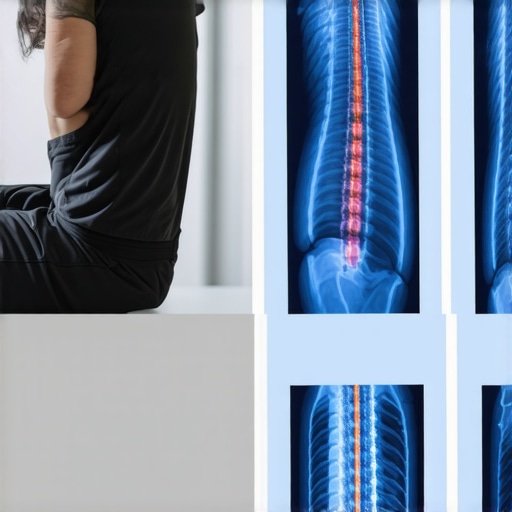
I remember the moment clearly. After months of nagging pain in my lower back, I was desperate for relief. I’d visited my chiropractor regularly, trusting that those quick adjustments would keep me moving. But one day, as I struggled to stand up from my seat, I realized something was different. The relief wasn’t lasting anymore. It felt like my body was telling me, “This isn’t working. It’s time to consider something more advanced.” That was my lightbulb moment—when I understood I had outgrown that familiar chiropractic comfort zone and needed the expertise of a spine surgeon.
Is Your Back Pain Signaling a Need for a Specialist?
In my experience, the switch from chiropractor to spine surgeon isn’t always obvious. It’s a slow realization, often creeping in after repeated visits that yield little progress, or worse, new symptoms. You might start noticing that your pain becomes more persistent, or that over-the-counter remedies just aren’t enough anymore. Maybe your MRI or x-ray reveals a herniated disc that’s pressing on a nerve, or your movement is limited by something a standard adjustment can’t fix. Recognizing these signs early can make a significant difference in your recovery—and your quality of life.
Many individuals, myself included, initially dismiss these signs as mere setbacks, thinking they’ll resolve on their own. But ignoring persistent pain can lead to further nerve damage or chronic issues. That’s why understanding when to escalate your care is essential. Transitioning from a chiropractor to a qualified spine surgeon isn’t a failure; it’s a proactive step towards effectively managing your condition. If you’re experiencing worsening pain, numbness, or weakness, it’s critical to consult a specialist to evaluate the root cause.
Have you noticed your pain changing in intensity or character? If so, it might be time to explore options like a second opinion from a respected orthopedist. And trust me, making that move early can prevent unnecessary suffering. For guidance on what to expect during a consultation and how to prepare, check out [what actually happens during an orthopedic exam after a car crash](https://njorthopedicdoctor.xyz/what-actually-happens-during-an-orthopedic-exam-after-a-car-crash). Recognizing these signs today can set you on the right path toward lasting relief that truly addresses the source of your pain.
Schedule a Comprehensive Consultation
Start by researching reputable orthopedic doctors in New Jersey, focusing on spine specialists with excellent reviews and proven track records. When you book your appointment, prepare to provide detailed medical history, imaging reports like MRI or x-ray results, and a list of symptoms. A thorough consultation involves discussing your pain history, limitations, and previous treatments. Use this opportunity to ask specific questions about the potential diagnoses and treatment options, ensuring you understand each step of the process.
Gather Necessary Medical Documentation
Collect all relevant medical records, including previous imaging studies, surgical histories, and treatment notes. If your initial scans are outdated, discuss the possibility of new imaging to pinpoint current issues. Doing so ensures your second opinion is based on comprehensive data, enabling the specialist to offer precise advice. For example, if you have a bulging disc, make sure your MRI scans are recent to assess the severity and implications accurately.
Ask Targeted Questions About Your Condition
Focus on actionable insights by asking about the specific treatment paths available, such as minimally invasive procedures, nerve blocks, or physical therapy. In my previous case, I specifically inquired about the benefits of nerve block orthopedic management vs. surgery. The doctor explained that nerve blocks could provide temporary relief while evaluating the root cause, which helped me decide whether to proceed with more invasive options.
Explore Treatment Options in Detail
Insist on understanding all possible treatments, including conservative care and surgical interventions. For instance, if you’re considering treatment for a herniated disc, review options like epidural injections, physical therapy, or surgery. Some patients find success with effective non-surgical care, as detailed here. Knowing the pros and cons of each approach allows you to align care with your goals and lifestyle.
Clarify the Need for Prior Authorization Assistance
Insurance approval can stall treatment initiation. Ask your orthopedic surgeon about assistance with prior auth help, ensuring your procedures are approved without unnecessary delays. Many practices have dedicated staff to expedite this process, making it smoother and less stressful. This support reduces your risk of setbacks and keeps your recovery timeline on track.
Prepare for the Orthopedic Evaluation
Be ready to undergo specific tests like nerve conduction studies or physical assessments to further pinpoint issues. The specialist may perform MRI or x-ray examinations to confirm diagnoses, especially in cases of back pain or whiplash injuries. For example, a recent consultation involved a detailed physical exam and review of imaging, helping to confirm nerve involvement and tailor a treatment plan effectively.
Follow Through Consistently
Adhere to recommended rehabilitation protocols, such as physical therapy or post-surgical exercises. Check out orthopedic rehab tips after lumbar fusion surgery for guidance. Consistent follow-up visits and diligent management maximize recovery chances and prevent recurrence of issues.
 While many patients seek second opinions or consult with orthopedic specialists expecting clear-cut answers, there’s a hidden depth that many overlook. One common misconception is that all imaging modalities like MRI or X-ray are interchangeable when evaluating back pain or disc issues; in reality, the decision should be tailored based on the suspected underlying pathology and patient history. For example, knowing which imaging test to prioritize can dramatically affect diagnosis accuracy and treatment planning. Additionally, some patients assume that conservative treatments like physical therapy or nerve blocks are always temporary measures, but advanced management strategies can offer sustained relief—yet only if correctly integrated into a comprehensive plan. One often overlooked nuance is the importance of proper prior authorization for procedures; many believe it’s merely bureaucratic, but in my experience, proactively managing prior auth can save valuable time and prevent unnecessary delays. Moreover, the assumption that all orthopedic surgeons are equally experienced with back pain or disc treatment is flawed; specialization matters. The best orthopedic doctors for back pain often have extensive training in minimally invasive techniques and spine surgery, which can lead to better outcomes. For instance, trusting top spine specialists improves your chances for effective intervention. So, to truly benefit from expert care, understand that nuanced decisions—like choosing between MRI or X-ray, or understanding the scope of nerve block management—are critical. Are you aware of the common traps in selecting your orthopedic treatment? Have you ever fallen into this trap? Let me know in the comments.Maintaining orthopedic health over time requires more than just initial treatment; it demands the right tools, routines, and professional guidance. One essential item I personally swear by is a high-quality foam roller. Unlike typical rollers, I prefer a dense, firm foam roller because it effectively releases muscle tension, especially after physical therapy sessions or a long day of activity. Regular use helps prevent adhesions and maintains my flexibility, which is crucial for avoiding setbacks in recovery. Additionally, incorporating a handheld percussion massager has transformed my post-exercise routine by reducing soreness and improving blood flow, aiding in tissue repair.
When it comes to tracking progress and managing symptoms, I rely on a detailed symptom journal app like ‘MySymptoms.’ It enables me to record pain levels, activity triggers, and medication effects, which I then share with my orthopedic specialist. This practice ensures tailored adjustments to my treatment plan, especially when dealing with complex cases like a bulging disc or nerve irritation.
To support my daily mobility, I use an ergonomic lumbar support cushion during work hours. This simple device aligns my spine properly and alleviates pressure on herniated discs. For ongoing rehabilitation, I follow a structured program of stretches and strengthening exercises designed by my physical therapist, who emphasizes consistency over intensity.
Moving forward, I anticipate that advancements in wearable technology—such as smart braces with integrated sensors—will revolutionize long-term orthopedic care. These devices could provide real-time feedback on posture, load distribution, and movement quality, enabling proactive adjustments before issues escalate.
How do I maintain long-term orthopedic health?
Achieving sustained results starts with consistent monitoring and leveraging the best tools. For example, if you’re recovering from a procedure like lumbar fusion, integrating orthopedic rehabilitation tips—like those found here—can make a significant difference. Combining physical tools with ongoing professional consultations, such as seeking a second opinion from a trusted expert, helps ensure your recovery stays on track.
Remember, the key is balancing self-care routines with expert advice. If you’re contemplating treatment options for issues like whiplash or a herniated disc, consulting an experienced orthopedic surgeon in New Jersey can provide clarity on which tools and therapies are right for your unique case. Don’t underestimate the power of small, consistent practices—like daily stretching with a foam roller—to make a lasting impact on your mobility and pain management.
To optimize your long-term orthopedic care, try integrating a combination of targeted devices and expert guidance. Starting with a simple step like maintaining a symptom journal or using ergonomic supports can lead to meaningful improvements in your recovery journey. For more specialized advice, exploring options such as nerve block orthopedic management or minimally invasive treatments can also be valuable. Remember, proactive maintenance today can prevent complex issues tomorrow—so invest in the right tools now and stay ahead in your health game.
What No One Tells You About Second Opinions and Spine Care
One profound lesson I discovered is that switching from a chiropractor to a spine surgeon isn’t a sign of failure but a strategic move towards true healing. Early on, I underestimated the importance of comprehensive imaging, realizing later that targeted MRI scans are crucial for accurate diagnosis. Trusting specialists with extensive experience in minimally invasive procedures has made a world of difference, emphasizing the value of choosing top-tier orthopedic spine experts.
Another insight is that understanding your insurance’s prior authorization process can save precious time. Proactively seeking assistance with prior auth help can prevent delays in treatment, ensuring your recovery stays on track. Additionally, I learned that being well-prepared with medical records and prepared questions during consultations empowers you to make informed decisions about your care plan.
My Toolkit for Long-Term Back Health and Why It Works
I rely on practical tools like a dense foam roller to maintain flexibility and prevent muscle adhesions, complemented by wearable tech that tracks posture and movement. These, combined with structured physical therapy programs, have fortified my back against future issues. I suggest exploring resources like orthopedic rehab tips after lumbar fusion to optimize recovery and sustain progress.
Embracing the Power of Personalized Care and Self-Advocacy
My experience taught me that no two spines are alike; hence, seeking a second opinion from a trusted NJ orthopedic doctor can reveal tailored solutions that a generic approach might miss. Keep an open dialogue with your specialists, ask about treatment options like nerve blocks or minimally invasive surgeries, and don’t be afraid to advocate for your health. Remember, proactive engagement and tailored strategies are the keys to long-lasting relief.
Your Next Step in Back Pain Relief
If you’re contemplating a consultation or unsure whether your pain warrants further investigation, know that timely action makes all the difference. Investing in the right expertise and tools now can lead to a future of improved mobility and comfort. How are you currently managing your back health, and what changes are you willing to try for better results? Share your thoughts below and let’s support each other’s journey toward lasting spine health.